
Indian Wedding Tourism For Foreign Tourists
August 26, 2026Yoga & Wellness Tours In India
August 26, 2026Best Spiritual Experiences In India
Spiritual Tour Packages In India
Best Spiritual Places & Experiences for Foreign Travelers
Spiritual Tourism India is attracting travelers from around the world who want more than sightseeing. India offers a unique combination of ancient temples, sacred rivers, yoga, meditation, Buddhist monasteries, Sikh gurudwaras, Sufi shrines, Ayurveda, and traditional pilgrimage routes.
For foreign travelers and spiritual seekers, India provides opportunities to experience spirituality through temple visits, meditation, yoga retreats, sacred ceremonies, pilgrimage tours, and cultural experiences.
Whether you are looking for inner peace, cultural discovery, wellness, or a deeper connection with Indian traditions, these are some of the best spiritual destinations in India.
Best Spiritual Places in India
Varanasi – The Spiritual Heart of India
Varanasi, situated on the banks of the sacred Ganga River, is one of the oldest living cities in the world and one of Hinduism’s most important pilgrimage destinations.
The city’s famous Ganga Aarti at Dashashwamedh Ghat, sunrise boat rides, ancient temples, and riverside ghats offer an unforgettable spiritual experience.
Best experiences:
- Sunrise boat ride on the Ganga
- Attend the evening Ganga Aarti
- Visit Kashi Vishwanath Temple
- Explore the ancient ghats and temples
- Experience Dev Deepavali
For international visitors, Varanasi can be intense, but experiencing it with a knowledgeable local guide can provide a deeper understanding of its rituals and traditions.
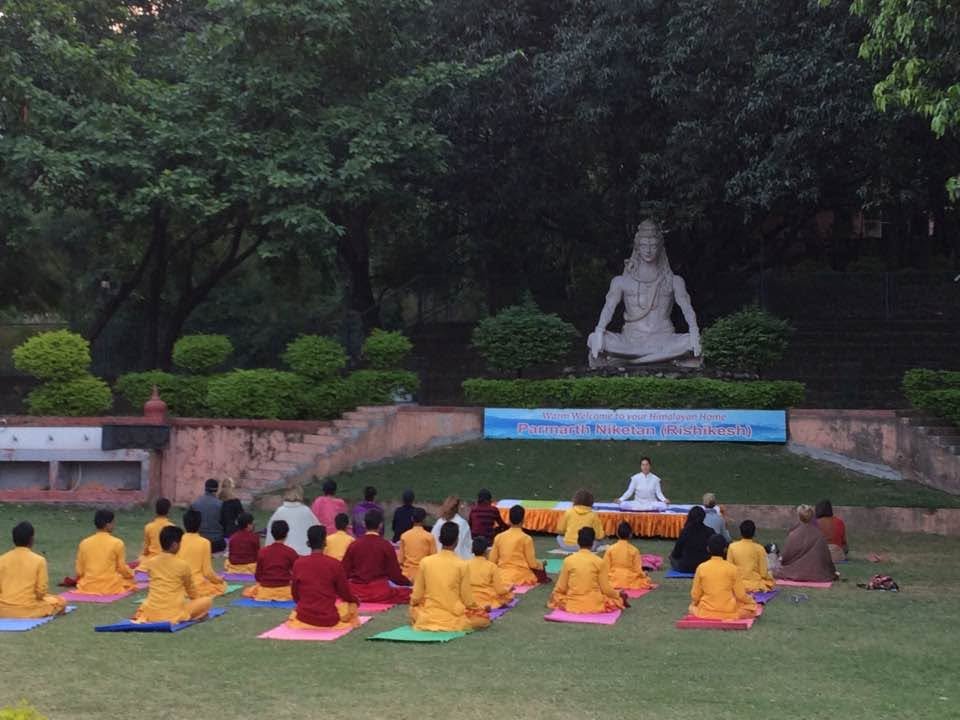
Rishikesh – Yoga and Meditation in India
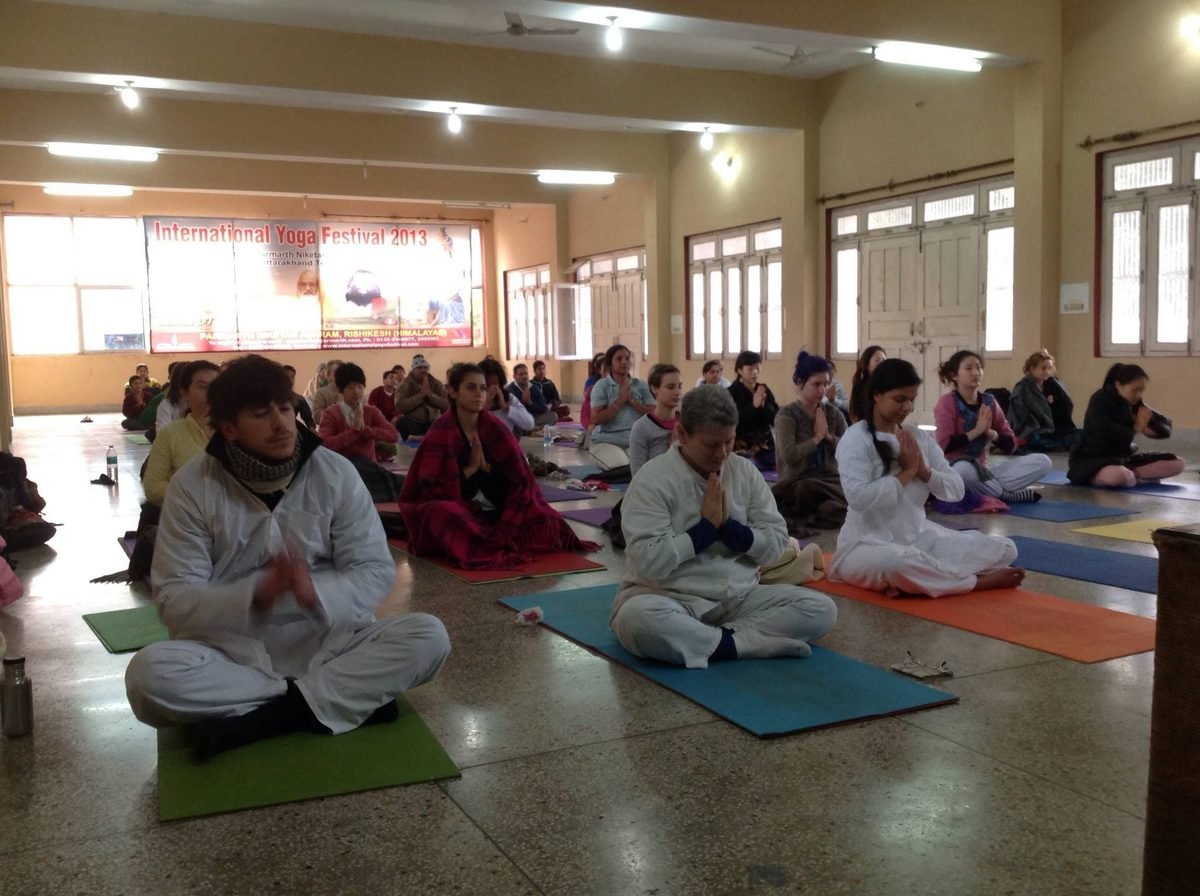
Known as the Yoga Capital of the World, Rishikesh is one of India’s most popular destinations for yoga, meditation, and spiritual retreats.
Located along the Ganga and surrounded by the Himalayan foothills, the city is home to numerous ashrams and yoga centres.
Best experiences:
- Join a yoga or meditation retreat
- Stay at an ashram
- Attend Ganga Aarti at Triveni Ghat
- Practice meditation beside the Ganga
- Visit the Beatles Ashram
October to March is generally a comfortable period for spiritual travel, while the International Yoga Festival in March attracts practitioners from around the world.
Bodh Gaya – Where Buddha Attained Enlightenment
Bodh Gaya in Bihar is one of the most important Buddhist pilgrimage destinations in the world. According to Buddhist tradition, Siddhartha Gautama attained enlightenment beneath the Bodhi Tree here and became the Buddha.
The Mahabodhi Temple, a UNESCO World Heritage Site, is the spiritual centre of Bodh Gaya.
Best experiences:
- Meditate beneath the Bodhi Tree
- Visit the Mahabodhi Temple
- Explore Buddhist monasteries
- Join meditation programs
- Visit Thai, Tibetan, Japanese, Bhutanese, and other monasteries
Bodh Gaya is particularly meaningful for travelers interested in Buddhism, meditation, and mindfulness.
Amritsar – The Golden Temple
The Golden Temple, or Harmandir Sahib, in Amritsar is the holiest shrine of Sikhism and one of India’s most welcoming spiritual destinations.
The temple complex surrounds the sacred Amrit Sarovar and is famous for its peaceful atmosphere and Langar, the free community kitchen where everyone is welcome regardless of religion, nationality, or social background.
Best experiences:
- Visit the Golden Temple
- Participate in Langar
- Sit quietly beside the sacred pool
- Experience the temple illuminated at night
- Visit Jallianwala Bagh and the Partition Museum
Visitors should cover their heads and dress modestly when entering the gurudwara.
Haridwar – Sacred Ganga and Pilgrimage
Haridwar is one of India’s seven sacred Hindu cities and an important gateway to the Himalayan pilgrimage region.
The spiritual centre of the city is Har Ki Pauri, where pilgrims gather for prayers and Ganga Aarti.
Best experiences:
- Attend Ganga Aarti
- Participate in a traditional Ganga puja
- Visit Mansa Devi Temple
- Explore the old markets
- Experience major Hindu festivals
Haridwar can be crowded and energetic, making a guided visit especially useful for first-time international travelers.
Sarnath – Buddhist Spiritual Heritage
Located close to Varanasi, Sarnath is where the Buddha is believed to have delivered his first sermon after enlightenment.
The Dhamek Stupa, archaeological remains, museums, and Buddhist temples make Sarnath an important destination for Buddhist travelers and those interested in India’s spiritual history.
Sarnath and Bodh Gaya can easily be combined with Varanasi in a Buddhist and Hindu spiritual journey.
Ladakh – Himalayan Buddhist Monasteries
Ladakh offers a completely different spiritual experience. Ancient monasteries such as Hemis, Thiksey, Diskit, and Lamayuru sit among dramatic Himalayan landscapes.
Visitors can observe Buddhist prayers, meditation, traditional ceremonies, and monastery life.
The best time to visit Ladakh is generally from June to September. Travelers should allow time to acclimatize to Leh’s high altitude.
Pushkar – Sacred Lake and Brahma Temple
Pushkar in Rajasthan is a small pilgrimage town famous for its sacred lake and the Brahma Temple, one of the few major temples dedicated to Lord Brahma.
The peaceful ghats, temples, bazaars, and surrounding desert landscape make Pushkar an interesting addition to a Rajasthan spiritual tour.
Ajmer – Sufi Spiritual Experience
Ajmer is home to the famous Ajmer Sharif Dargah, dedicated to the Sufi saint Khwaja Moinuddin Chishti.
Visitors from different faiths come here to pray and experience devotional traditions, including qawwali music.
Ajmer can be combined with Pushkar and Jaipur as part of a Rajasthan cultural and spiritual itinerary.
Kerala – Ayurveda and Spiritual Wellness
Kerala is ideal for travelers who want to combine spiritual tourism with Ayurveda, yoga, meditation, and wellness.
A residential Ayurvedic retreat can include traditional therapies, yoga, meditation, healthy cuisine, and time for relaxation.
Kerala also allows travelers to combine spiritual wellness with backwater cruises, temples, beaches, and cultural experiences.
Why Choose Spiritual Tourism India?
Spiritual travel in India is not limited to visiting temples. It can involve experiencing India’s living traditions and connecting with local culture.
Key experiences include:
- Temple darshan and traditional rituals
- Yoga and meditation retreats
- Buddhist monastery visits
- Ganga Aarti and sacred river ceremonies
- Sikh Langar
- Sufi qawwali
- Ayurveda and wellness retreats
- Pilgrimage journeys
- Spiritual festivals
- Traditional Indian music and devotional culture
For foreign travelers, these experiences offer an opportunity to understand India beyond its famous monuments and tourist attractions.
Best Time for Spiritual Travel in India
The ideal season depends on your destination.
October to March is generally comfortable for destinations such as Varanasi, Rishikesh, Haridwar, Bodh Gaya, Rajasthan, and Amritsar.
June to September is suitable for Ladakh, while Himalayan pilgrimage destinations such as Kedarnath and Badrinath have seasonal access.
Tips for Foreign Travelers Visiting Spiritual Places in India
- Dress modestly at temples, monasteries, mosques, and gurudwaras.
- Remove your shoes before entering sacred spaces where required.
- Follow photography restrictions and local customs.
- Ask permission before photographing people during religious ceremonies.
- Choose a knowledgeable local guide for deeper cultural understanding.
- Book accommodation and transportation early during major festivals.
- Keep an open mind and respect different religious traditions.
- For high-altitude destinations, allow sufficient time for acclimatization.
Plan a Spiritual Tour of India
A spiritual journey through India can be completely customized according to your interests, travel style, and available time.
A North India spiritual tour could combine Delhi, Haridwar, Rishikesh, Varanasi, Sarnath, and Bodh Gaya. A Rajasthan spiritual journey could include Jaipur, Pushkar, and Ajmer. Travelers interested in Buddhist traditions can explore Bodh Gaya, Sarnath, and Himalayan monasteries, while wellness seekers can combine Rishikesh with an Ayurvedic retreat in Kerala.
Conclusion
Spiritual Tourism India offers far more than traditional pilgrimage. It brings together ancient faiths, sacred rivers, temples, monasteries, yoga, meditation, Ayurveda, music, festivals, and living cultural traditions.
For foreign travelers seeking spiritual experiences in India, destinations such as Varanasi, Rishikesh, Bodh Gaya, Amritsar, Haridwar, Sarnath, Ladakh, Pushkar, Ajmer, and Kerala provide meaningful ways to experience India’s spiritual heritage.
A thoughtfully planned spiritual tour of India can combine sacred places with cultural sightseeing, wellness, nature, and authentic local experiences—creating a journey that goes beyond ordinary tourism.
CONTACT US
