
Holi In India Complete Guide for Foreign Travelers
August 26, 2026Best Spiritual Experiences In India
August 26, 2026Indian Wedding Tourism For Foreign Tourists
Indian Wedding Tourism For Foreign Tourists In India
Indian weddings are among the most colourful and memorable cultural celebrations in the world. Filled with traditional rituals, music, dance, food, family gatherings and emotional ceremonies, a typical Indian wedding can last several days.
For international travellers, Indian wedding tourism offers a unique opportunity to experience India beyond famous monuments and sightseeing. But can a foreigner actually attend a real Indian wedding?
The answer is yes—when the family gives explicit consent and the experience is arranged respectfully.
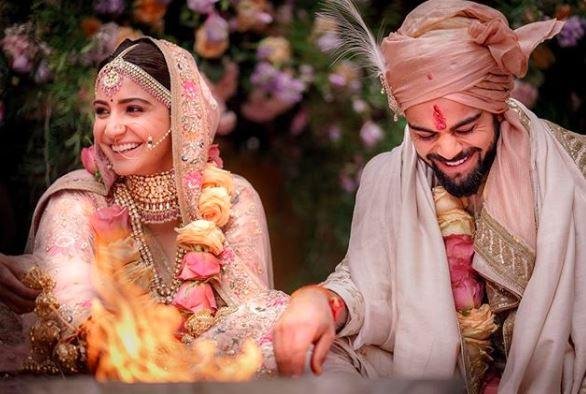
What Is Indian Wedding Tourism?
Indian wedding tourism allows foreign travellers to experience an authentic Indian wedding as invited guests. Unlike a staged cultural show, a genuine wedding experience involves a real family celebration, traditional ceremonies and meaningful cultural exchange.
Depending on the family’s invitation and comfort, international guests may attend selected events such as:
- Mehendi ceremony
- Haldi ceremony
- Sangeet night
- Baraat procession
- Traditional wedding ceremony
- Wedding reception
Every Indian wedding is different, with traditions varying according to region, religion and community.
Can Foreigners Attend Indian Weddings?
Yes, but foreign tourists should never attend an Indian wedding without an invitation.
A respectful Indian wedding experience requires:
- Explicit permission from the bride, groom and family
- Proper introductions before attending
- Respect for privacy and religious traditions
- Appropriate wedding attire
- Permission before taking photographs
- Understanding that the wedding is a real family celebration, not a tourist attraction
The best experiences are arranged through trusted local contacts or cultural travel specialists with genuine relationships with families.
Why Are Indian Weddings So Special for Foreign Tourists?
Indian weddings offer a level of cultural immersion that traditional sightseeing cannot provide.
Guests can experience:
- Ancient rituals and spiritual traditions
- Colourful traditional clothing
- Indian music and dance
- Regional wedding customs
- Large family celebrations
- Authentic Indian wedding food
- Personal interaction with local families
For many travellers, attending a wedding provides a deeper understanding of Indian family values, hospitality and cultural traditions.
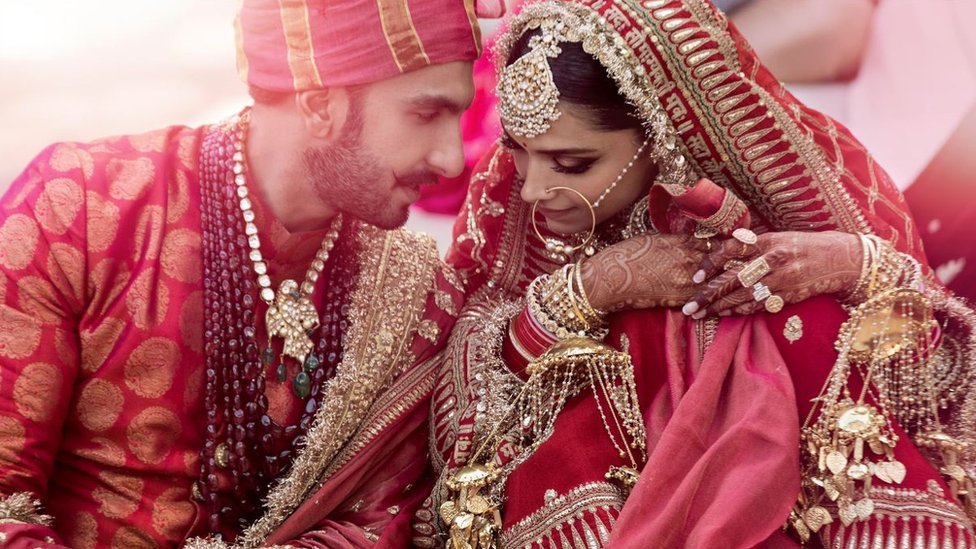
Main Indian Wedding Ceremonies
Mehendi Ceremony
The Mehendi ceremony is one of the most colourful pre-wedding events. The bride’s hands and feet are decorated with intricate henna designs while family and friends enjoy music, food and celebrations.
Foreign guests may also be invited to have Mehendi applied.
Haldi Ceremony
During the Haldi ceremony, a turmeric paste is traditionally applied to the bride and groom before the wedding. It is a joyful event filled with laughter, music and family participation.
Yellow and orange outfits are popular for this ceremony.
Sangeet Ceremony
The Sangeet is a lively evening of music, dancing and entertainment. Family members and friends often perform choreographed dances and celebrate together.
For many international visitors, the Sangeet is one of the easiest and most enjoyable events to participate in.
Baraat
The Baraat is the groom’s wedding procession. Depending on regional traditions, it may include music, dancing, drummers and a grand entrance by the groom.
The Wedding Ceremony
The main Hindu wedding ceremony includes important rituals such as the exchange of garlands, prayers and vows around the sacred fire.
One of the best-known rituals is the Saptapadi or Saat Phere, where the couple takes seven sacred steps or circles representing their commitment to married life.
Reception
The wedding reception is usually a more relaxed celebration where guests enjoy a large feast, meet the newly married couple and celebrate with family and friends.
What Should Foreigners Wear to an Indian Wedding?
Indian weddings are known for colourful and elegant fashion. Traditional attire is usually appreciated, although the dress code depends on the family and ceremony.
For women:
- Saree
- Lehenga
- Salwar kameez
- Anarkali suit
For men:
- Kurta pajama
- Bandhgala
- Sherwani
- Formal suit
Always ask the host family or organiser about the dress code. Some families may have specific colours or themes for different events.
Indian Wedding Etiquette for Foreign Guests
If you are invited to attend an Indian wedding, remember that you are a guest at an important family occasion.
Follow these simple rules:
- Never attend without an invitation.
- Dress appropriately for the ceremony.
- Ask permission before taking photographs.
- Respect religious rituals and private moments.
- Remove your shoes when requested.
- Participate only when invited.
- Follow the guidance of family members or your cultural guide.
- Give a traditional wedding gift if appropriate.
- Be respectful of food, customs and personal boundaries.
A little cultural preparation goes a long way.
What Gift Should You Bring to an Indian Wedding?
Cash gifts, often presented in a decorative envelope, are common at Indian weddings. The appropriate amount depends on your relationship with the couple and local customs.
A thoughtful gift from your home country may also be appreciated. If your visit is arranged through a local host or travel specialist, ask for advice about suitable gift etiquette.
Regional Indian Wedding Traditions
Indian weddings vary greatly across the country.
Rajasthani weddings are known for colourful celebrations, traditional music and royal heritage settings.
Punjabi weddings are famous for energetic dancing, lively Baraat processions and large celebrations.
Bengali weddings include distinctive rituals, traditional red-and-white attire and rich cultural customs.
South Indian weddings often focus strongly on traditional religious rituals, temple ceremonies and regional cuisine.
The best Indian wedding experience is not about choosing the most extravagant wedding. It is about being genuinely welcomed by a family and experiencing their traditions with respect.
How to Find an Authentic Indian Wedding Experience
If you are interested in attending an Indian wedding as a tourist, plan well in advance.
Look for an experienced travel company or cultural facilitator that:
- Works only with families who give informed consent
- Has genuine local relationships
- Provides cultural preparation before the event
- Respects privacy and photography restrictions
- Does not guarantee access to weddings without family approval
- Treats guests as invited participants rather than paying spectators
Wedding dates and family availability cannot always be guaranteed, so flexibility is important.
FAQ: Indian Wedding Tourism
Q. Can a foreigner attend an Indian wedding?
A. Yes. Foreign tourists can attend when they receive a genuine invitation and the family is comfortable welcoming international guests.
Q. Do I need to speak Hindi?
A. No. English is widely used in many Indian cities and families, and a local guide can help explain ceremonies and traditions.
Q. How long does an Indian wedding last?
A. Many Indian weddings last between two and five days, although the duration varies by region, religion and family traditions.
Can I take photos at an Indian wedding?
Only with permission. Some families welcome photography, while certain religious rituals or private moments may be restricted.
Q. What is the best time for Indian wedding tourism?
A. Wedding seasons vary according to region and auspicious dates. November to March is generally a popular period for weddings and comfortable travel in much of North India.
Q. Is attending an Indian wedding respectful?
A. Yes, when you have the family’s consent, dress appropriately, respect traditions and remember that you are attending a real family celebration—not a staged tourist event.
Experience Indian Culture Beyond Sightseeing
Indian wedding tourism can be one of the most meaningful cultural experiences for foreign travellers. From Mehendi and Sangeet celebrations to sacred wedding rituals and traditional feasts, an Indian wedding offers a rare opportunity to understand India’s culture through real human connections.
The key is simple: family consent, cultural respect and genuine curiosity.
If you are planning a trip to India and would like to experience an authentic Indian wedding, register your interest in advance. Suitable opportunities depend entirely on wedding dates, family availability and their willingness to welcome international guests.
When the right invitation comes together, attending a traditional Indian wedding can become one of the most unforgettable experiences of your journey through India.
CONTACT US
